
The lost art of doing nothing
Why doing nothing has become a lost skill…
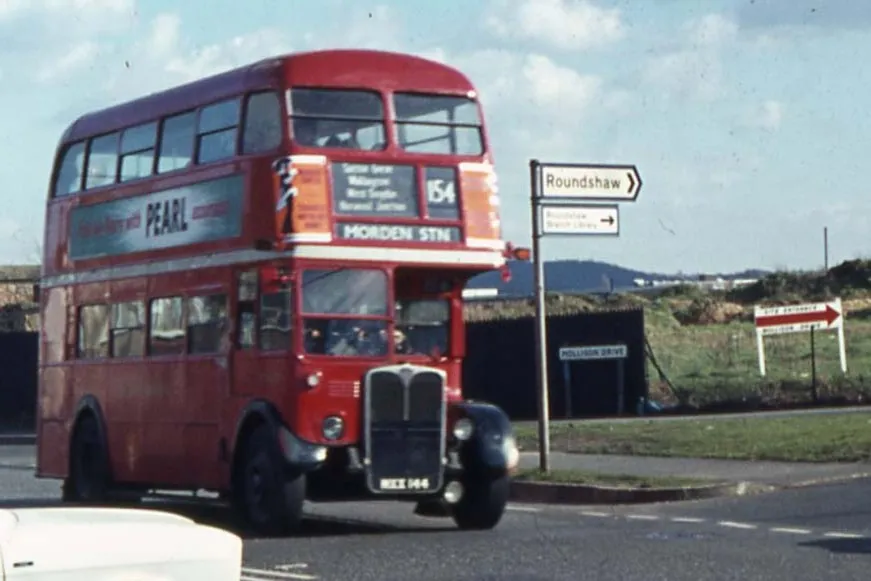
A few weeks ago, I sat on the 154 with a rare thirty minutes of nothingness. My phone had died, and I could not scroll or check messages. For the first time in a while, I simply sat there. At first, it felt uncomfortable – I kept reaching for a phone that wasn't working, shifting in my seat, glancing around for something to focus on.
But then, after a few minutes had passed, something changed. My mind started to wander: I thought about my day, remembered something that was funny, planned what I might eat later, and then just watched the sky out of the window.
It felt peaceful — and unfamiliar.
In our hyper-connected world, that kind of moment hardly exists anymore. Without even realising it, we fill our free time, usually by reaching for our phones. Boredom has become something we avoid. But what if boredom — or, at the least, being still — is something we actually need?
Neuroscientists also have a name for what happens when your brain is not focused on a task: the Default Mode Network, or DMN. That's the part of the brain that lights up when you're daydreaming, letting your thoughts wander, replaying memories. Far from being "inactive", this network helps us process emotions, form memories, and connect ideas.
According to a 2013 study at the University of Southern California, those who took brief mental time-outs or did nothing other than daydream did better on tasks that required creativity afterwards. When the mind is allowed to drift, it starts making connections it can't make when constantly focused. That's why your best ideas often appear in the shower or just before falling asleep.
In other words: your brain needs blank space to think.
It was during parents' evening last year that I realised how little empty time I had. I must have sat waiting at my desk with my parents for perhaps twenty seconds before my hand instinctively reached for my phone. Not to check on anything important - just because standing still seemed weird. Everyone would be doing the same: scrolling without thinking.
A friend once told me that he only daydreams anymore when he is in an elevator where there is no signal, and even then his brain feels like it searches for something to do.
These micro-habits add up. We get so used to filling in every gap with screens that even ten quiet seconds feel uncomfortable. And so, when we do get a free moment – on a bus, in a queue, waiting for a lesson to start - we immediately reach for stimulation without realising we have lost the ability to just sit with our thoughts.
Part of the problem is cultural: "hustle culture" and romanticising being busy make rest seem unproductive or lazy. There's this quiet guilt in doing nothing, a feeling like every spare minute is to be used for revision for GCSEs and A levels, doing extracurriculars and super-curriculars, and in general, the sense that something should just always be on in our lives.
But rest isn't the opposite of productivity; it's part of it. According to psychologist Dr Alex Pang - who wrote Rest: Why You Get More Done When You Work Less – deliberate rest is what allows us to sustain focus and be creative in the long term. A muscle performs best, he explains, in cycles of strain and recovery. And constant activity doesn't make us stronger; it just burns us out.
Historically, even some of the most creative minds put a premium on idleness. Charles Darwin scheduled long daily walks to think; J.K. Rowling thought up Harry Potter staring out of a train window; and Isaac Newton discovered gravity under a tree — not while buried in a lab. If they'd had TikTok, we might not have recognised the force which governs our universe, Hogwarts, or even the theory of evolution. What that all reveals is straightforward: it is not a waste of time to do nothing; it is a form of looking after ourselves. Those quiet moments on buses, in bed, or in the shower allow the DMN to switch on and help us organise our thoughts, understand our emotions, and release stress we didn't even know we were carrying. When we fill every second with stimulation, we aren't allowing our minds to rest, recover, or process the day.
All these little moments that we fill used to be quiet pauses where our minds could reset. Now we jam stimulation into every gap, and our brains never get a chance to slow down.
That constant restlessness doesn't just affect our ability to focus; it affects the way that we feel. When we never switch off, our thoughts mount up instead of being processed; we don't reflect, we don't decompress, and we don't give space for our minds to breathe.
Those blank moments we try to outrun are actually small acts of self-care. They let the brain settle, reset, and make sense of things. When we lose them, we lose one of the most straightforward methods of protecting our well-being.
Article written by Snehith (Year 12)